How Do I Write Better Resume Bullet Points?
A strong resume bullet explains what you did, how you did it, and what changed because of it. Don't describe the activity — show the outcome.
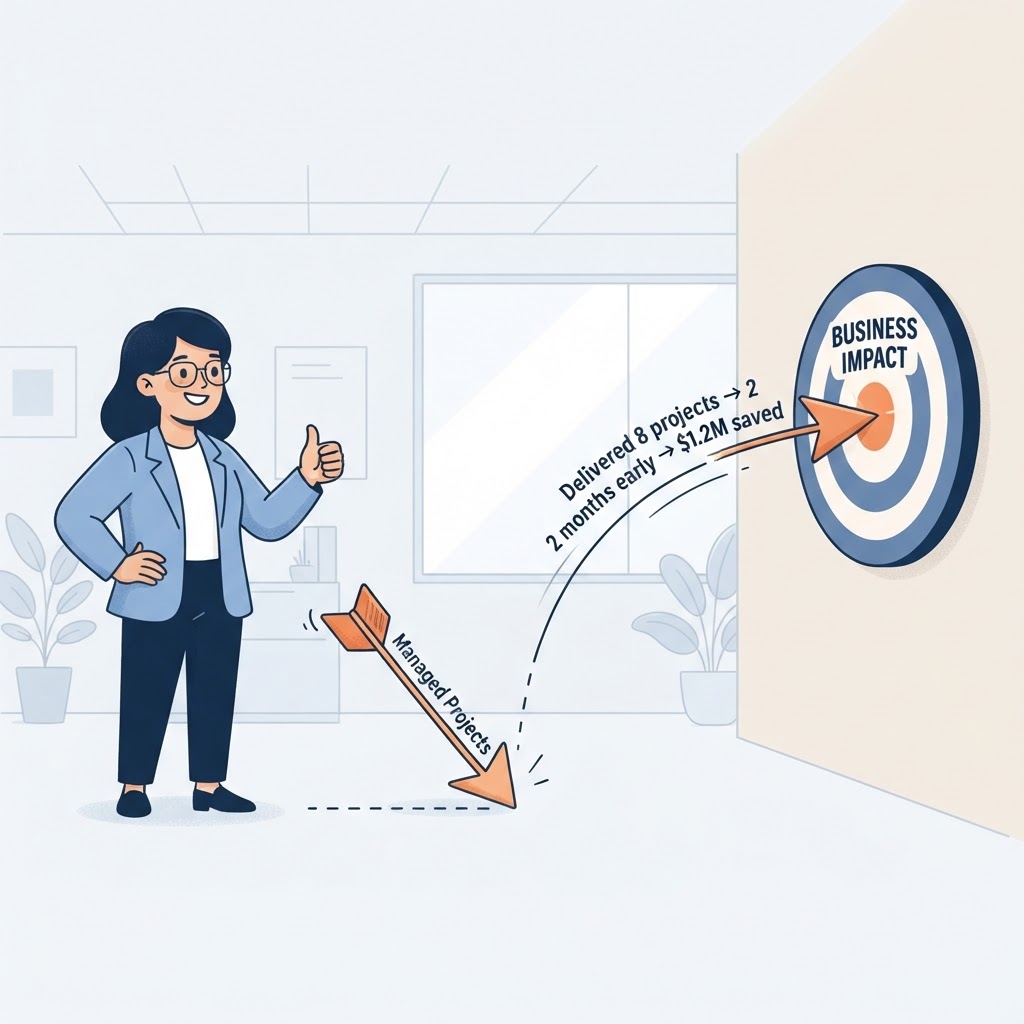
A strong resume bullet should explain what you did, how you did it, and what changed because of it. Don't simply describe the activity — show the outcome. The same experience can send a completely different hiring signal depending on how you write the bullet.
What You'll Learn
- •The three-part formula behind every strong resume bullet
- •Why describing activity fails and showing outcome wins
- •How to upgrade weak bullets into evidence of impact
- •Common mistakes that make bullet points vague and forgettable
- •The Impact Test to apply to every important bullet
- •How to show value even when you don't have a percentage or dollar figure
✅ Short Answer
A strong resume bullet should explain:
What you did + how you did it + what changed because of it.
Don't simply describe the activity. Show the outcome.
Instead of:
- Created monthly reports.
Try:
- Automated monthly reporting in Power BI, reducing preparation time by 12 hours per month.
Same experience. Completely different hiring signal.
Why It Matters
Your bullet points are where recruiters find the evidence behind your claims.
A professional summary might say you're "results-driven." Your bullet points need to prove it.
Consider the progression:
- Weak: Responsible for managing vendor relationships.
- Stronger: Managed 25 strategic vendor relationships across three regions.
- Strongest: Managed 25 strategic vendor relationships across three regions, renegotiating key contracts to reduce annual costs by 11%.
The underlying job hasn't changed. The quality of the evidence has.
Common Mistakes
- ❌ Starting every bullet with "Responsible for"
- ❌ Writing job descriptions instead of achievements
- ❌ Using vague claims like "significantly improved"
- ❌ Adding numbers without explaining what they mean
- ❌ Making every bullet three or four lines long
📊 Quick Comparison
Weak ❌
- Managed projects
- Improved reporting
- Led a team
- Reduced costs
Stronger ✅
- Delivered 8 projects
- Cut reporting time by 40%
- Led a cross-functional team of 15
- Reduced annual operating costs by $1.2M
💡 CVDraft Tip
Use the Impact Test on every important bullet:
- What did I do?
- How did I do it?
- What changed because I did it?
You won't always have a percentage or dollar value. That's okay.
Scale, speed, quality, complexity, reach, volume, risk reduction, customer impact and time saved can all demonstrate value.
🎯 Hiring Language Perspective™
An action verb tells recruiters you did something.
An outcome tells them why it mattered.
That's the difference between writing experience and communicating value.
📊 The Bullet-Building Flow
What did you do? → How did you do it? → What changed? → Strong resume bullet
Example:
- Automated monthly reporting
- + Power BI
- + Saved 12 hours/month
- = Evidence of impact
Don't stop at the action. Show where it landed.
🔗 Related Quick Bites
- QB-005: What Are Resume Keywords?
- QB-013: Objective or Professional Summary?
- QB-017: Should I List Responsibilities or Achievements?
- QB-019: What Do Recruiters Look at First?
- QB-025: What's the Biggest Resume Mistake?
"Don't stop at what you did. Tell recruiters what changed because you did it."
Recruiter's Advice
"An action verb tells recruiters you did something. An outcome tells them why it mattered. That's the difference between writing experience and communicating value."
Key Takeaways
- A strong bullet = What you did + How you did it + What changed
- Don't describe the activity — show the outcome
- Avoid starting every bullet with 'Responsible for'
- Numbers need context — explain what they mean
- Use the Impact Test: What did I do? How? What changed?
- Scale, speed, quality, reach and time saved all prove value without metrics
Frequently Asked Questions
Build a Resume That Wins the 6-Second Test
AI writes the bullet points — you fill in the details. Get a clean, ATS-friendly resume in minutes.
Build My ResumePut This Into Practice
Analyze My Resume
Compare your resume against a real job description and identify ATS keyword gaps.
Go to Resume AnalyzerGenerate My Cover Letter
Create a tailored cover letter that matches your resume and target role.
Go to Cover Letter GeneratorContinue Your Journey
You have completed
✔ ⚡ Quick Bites Chapter 28
Continue with
➡ ⚡ Quick Bites Chapter 29
Do I Need Numbers on Every Resume Bullet?